Chapter 13 Bankruptcy Attorney — Chicago & Chicagoland
Keep your property while restructuring debt through a court-approved repayment plan.
Keep your property while restructuring debt through a court-approved repayment plan.
A Chapter 13 Bankruptcy, sometimes called the "working person's bankruptcy," differs from Chapter 7 in some key ways. Rather than liquidating assets, Chapter 13 creates a structured repayment plan that allows you to keep your property while getting debt under control.
A Chapter 13 will repay your debts through a court-approved plan. The type of debt determines how it gets repaid. Secured debts — debts tied to collateral such as a mortgage or auto loan — are often paid in full. Unsecured debts, including credit cards, personal loans, medical bills and parking tickets, can be paid at a fraction of what is owed.
In many cases, unsecured debts are repaid at 10 cents on the dollar, and sometimes even less. This means you can resolve the full balance of your unsecured obligations while paying only a small percentage through your Chapter 13 plan.
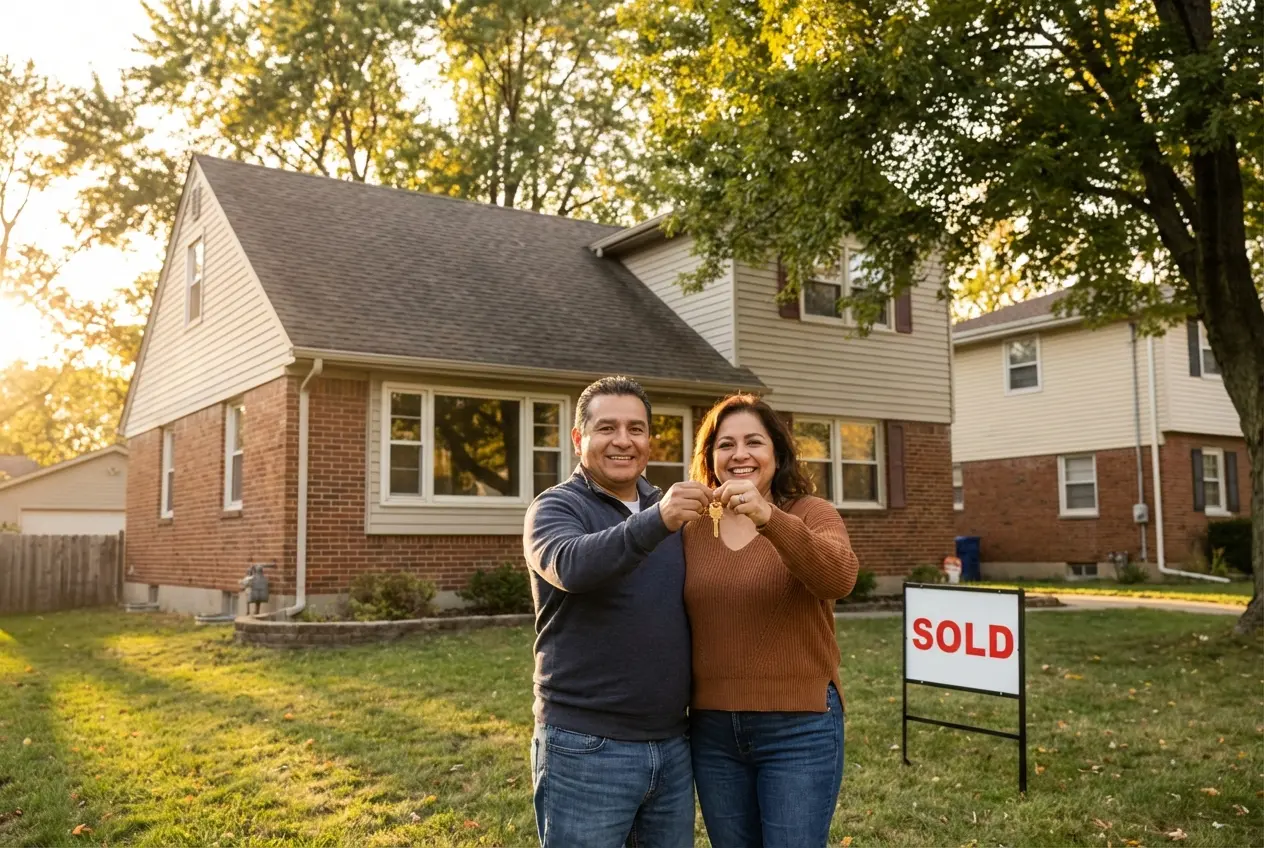
One of the most compelling reasons to file Chapter 13 is that it may allow you to stop foreclosure and work toward keeping your home. Unlike Chapter 7, a Chapter 13 plan can allow you to catch up on missed mortgage payments — known as "arrears" or "arrearage" — over the life of the plan.
At the end of a successful Chapter 13 plan, you may be completely current on your mortgage. In some cases, a Chapter 13 filing can halt a foreclosure sale even shortly before the scheduled auction. The same protection may apply to automobiles facing repossession. Results depend on the specific facts of your case and require court approval.
In a Chapter 7 scenario, you would be unlikely to keep your home without some further agreement reached outside of bankruptcy.
Lien stripping is one of the most valuable tools available in Chapter 13 that Chapter 7 cannot offer. If you have a second mortgage on your home and the balance on your first mortgage exceeds the home's current value, it may be possible to "strip" the second mortgage entirely.
When this happens, the second mortgage is reclassified as an unsecured debt — because there is no equity in the home to support it. At the end of your Chapter 13 plan, that second mortgage is discharged along with your other unsecured debts. This can eliminate tens of thousands of dollars in debt tied to your home.
A "cram-down" allows certain assets to be paid for through your Chapter 13 plan at their current market value rather than the total amount owed. If an asset has depreciated significantly, this can result in major savings.
Cram-downs are most commonly applied to automobiles that were purchased more than 2.5 years before filing. In some situations, they can also be applied to secondary properties other than your primary residence. Determining when a cram-down applies requires careful legal analysis, so it is important to work with an experienced bankruptcy attorney.
A Chapter 13 repayment plan typically runs between 36 to 60 months. While there can be exceptions that shorten the timeline, a plan can never exceed 60 months.
The amount you pay each month is determined by the type and amount of your debt. Certain arrearages on secured debts, total secured debts and priority debts usually must be paid in full. Your attorney will calculate what your likely monthly payments would be before you file, so there are no surprises.
There are three basic factors that determine your eligibility for Chapter 13 Bankruptcy:
If you have filed a bankruptcy in the last 2 to 8 years, depending on the chapter filed and the final disposition of the case, you may not be eligible to file again.
Unlike Chapter 7, the amount of money left over at the end of each month goes toward determining your monthly plan payment. Chapter 13 is designed for people with regular income who can sustain a repayment plan.
The Means Test is a formula that considers where you live, what you own, your household size and your household income. In a Chapter 13, the Means Test can set a floor on the amount unsecured creditors must receive and can also determine the number of months a plan should last.
Ultimately, eligibility comes down to your ability to pay. If the total of secured arrearages, secured debts and priority debts makes the monthly payment too high, Chapter 13 may not be a workable solution. An experienced attorney can help you understand your options.
Every financial situation is different. Attorney Matthew Baysinger can help you understand if Chapter 13 is right for you.